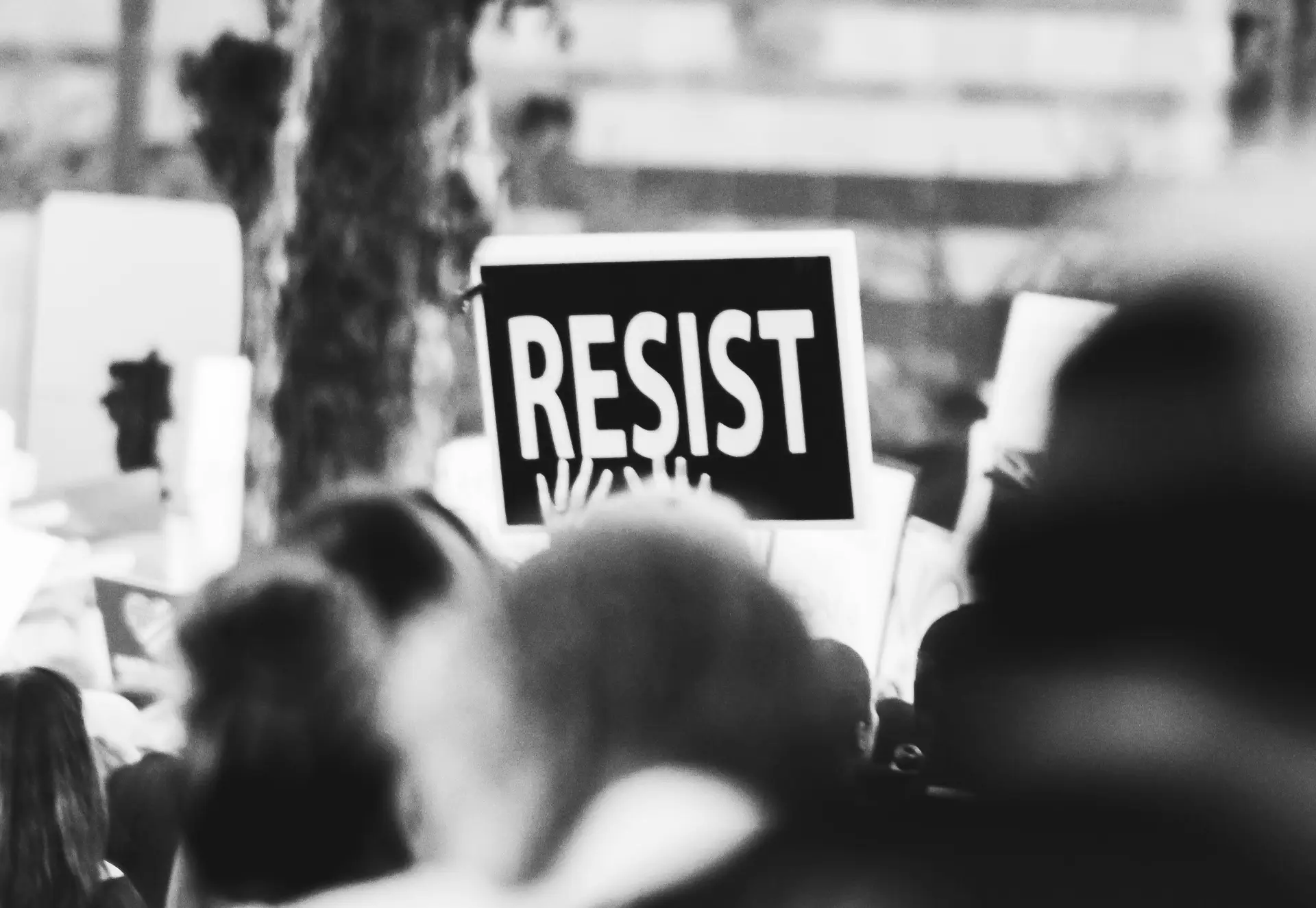
Many people are experiencing heightened political anxiety in response to the chaos and erosion of democracy under Trump’s second term. I’m hearing from both current and new clients who feel overwhelmed, stressed, and unsure of how to cope. A sense of doom, exhaustion, and helplessness is common when faced with daily national and global disruptions that offend and horrify.
As a therapist who is also experiencing political anxiety, I understand how you feel. As I write this, we are just two weeks into the second Trump presidency, and it’s clear that we need sustainable ways to navigate this fearsome climate without burning out.
If you’re struggling with political anxiety, know that you’re not alone—though I realize that may offer little immediate comfort. I want you to know that there are ways to navigate these feelings with resilience and self-care. It’s more important than ever to take care of yourself, so you have the endurance to navigate the long (and weird) road ahead.
In her January 29, 2025 Washington Post essay The Resistance Will Not Be Rushed, author Anne Lamott captures the collective unease, and offers a roadmap for navigating it with resilience. While she speaks of resistance, her words also contain profound psychological wisdom on coping with uncertainty.
Lamott’s article was helpful for me, and her insights may help you, too. Let’s break them down into practical steps you can take to manage political anxiety and maintain your well-being.
1. Acknowledge Your Feelings Without Judgment
It’s okay to feel worried, frustrated, or even hopeless at times. Suppressing these emotions doesn’t make them disappear—it often makes them stronger. Instead, give yourself permission to feel what you feel without self-criticism.
Psychological research shows that naming emotions activates the part of the brain responsible for regulating feelings. This activation leads to a decrease in emotional intensity. By simply acknowledging what you’re feeling—whether it’s anger, fear, or frustration—you create a sense of distance from the emotion. This distance allows you to respond more thoughtfully instead of reacting impulsively.
This practice of “labeling” emotions helps you gain more control over them. In turn, labeling will reduce the overall emotional charge and make it easier to navigate difficult situations. Try saying “I’m feeling anxious about the future” rather than pushing feelings away or ruminating on them at length.
2. Recognize That Uncertainty Is Part of Life
Lamott shares the story of a gerontology nurse telling her, How could you know? when she was struggling to make decisions about her mother’s care. This is a powerful reminder that, in uncertain times, we often expect ourselves to have all the answers—but the truth is, no one does. Accepting uncertainty rather than fighting it can help reduce anxiety.
One way to practice tolerating uncertainty is to focus on what you can control. Ground yourself in the present moment through mindfulness, and find ways to limit doomscrolling. You can read my advice about limiting your news exposure in my post about Trump re-election anxiety.
Living in the gray areas of uncertainty is uncomfortable. But remember that uncertainty doesn’t always mean danger—it simply means the outcome is unknown. And while the future is uncertain, remember that you can certainly trust yourself.
What can you be certain about? That
- even in difficult times, you can keep moving forward
- instead of getting stuck in worst-case scenarios, you can take meaningful action on what matters to you.
- trusting your inner wisdom can guide tough decisions
- you can acknowledge your feelings without letting them take the lead.
3. Find Strength in Small Acts of Goodness
Political anxiety can make us feel powerless. However, as Lamott points out, resistance often looks like small, meaningful actions: feeding the hungry, supporting schools and libraries, or simply showing kindness. Psychological research shows that helping others increases feelings of control and reduces stress.
Ask yourself: What is one small thing I can do today that aligns with my values and counters the harm I see in the world? If, for example, an executive order negatively impacts the rights of trans individuals, consider reaching out to a trans friend or family member to check in. You might ask how they’re feeling in light of the news and whether they need support or resources.
Aligning your actions with your core values—such as compassion, equality, and advocacy—serves two important functions:
- you provide meaningful support to others, and
- you regain a sense of agency in a world that can feel out of control.
Even small gestures, like sending a message of solidarity or volunteering for organizations advocating for human rights, can help counteract feelings of helplessness and contribute to positive change.
4. Practice “Left Foot, Right Foot, Breathe”
Lamott offers this simple mantra: Left foot, right foot, breathe. This echoes mindfulness principles that help ground us in the present moment. When political or world events feel overwhelming, focus on what’s immediately in front of you. Take a deep breath. Go for a walk. Engage in an activity that brings you peace. Mindfulness doesn’t mean ignoring reality—it means staying present and responding with clarity rather than panic.
Mindfulness involves acknowledging the reality of the present moment without judgment or strong attachment. It’s about accepting what’s happening right now, rather than getting caught up in fears about the future or rehashing past events.
Practicing mindfulness can help you confront challenging circumstances with a sense of calm awareness, giving you the mental space to respond thoughtfully and effectively. This clarity allows you to take intentional actions, whether that’s seeking support, adjusting your focus, or simply taking a deep breath, rather than reacting out of fear or anxiety.
5. Remember That Darkness Never Lasts Forever
Lamott reminds us to “remember to remember.” History is filled with moments of despair, but also with resilience, progress, and unexpected hope. When anxiety tells you that things will never get better, challenge that thought. Recall past challenges you’ve faced and overcome. Remember that change—both personal and societal—is often slow, but always possible.
If you’re reading this, then you are probably feeling overwhelmed and stressed by the current political climate. Every day brings fresh news corruption and recklessness, leaving many of us feeling powerless and uncertain about what lies ahead. It’s important to remember that even in the darkest times, small acts of resistance, kindness, and integrity can make a difference.
History shows us that progress often emerges from periods of intense challenge, as individuals and communities persist in the face of adversity. By staying true to your values and engaging in actions that align with your beliefs, you contribute to the seeds of long-term change, even when the outcome feels uncertain.
6. Allow Yourself to Rest
One of Lamott’s most powerful insights is that exhaustion can make it hard to resist or take action. If you’re feeling drained by the news or social media, give yourself permission to rest. This doesn’t mean giving up—it means refueling so that you can keep going. Take breaks from the constant influx of news. Spend time in nature. Connect with people who lift you up. You can read more self-care tips in my post on Trump re-election anxiety.
7. Trust That the Wind Will Blow Again
In her essay, Lamott compares resistance to the desert wind: still for long periods, then suddenly powerful. If you’re feeling too exhausted to engage politically right now, that’s okay. Change doesn’t happen all at once, and no one can be “on” all the time. Trust that your energy and motivation will return when the time is right.
Reframing the current political climate as a point in time rather than a permanent state can help calm anxiety. While we may be in a low point right now, history shows us that political climates fluctuate, with periods of struggle often followed by change and renewal.
It’s natural to experience grief in response to the loss of stability; until now, many Americans have lived in a functioning democracy for all or most of their lives. The anger, sadness, and confusion you may feel are normal and part of the process of accepting that our reality has shifted. Acknowledging these emotions allows you to honor the grief, while also trusting that, like all seasons, this too shall pass—and that better days will come.
Managing Political Anxiety for the Long Haul
Political anxiety is real, and it’s valid. But you are not powerless. By focusing on what you can control—your actions, your mindset, your well-being—you can navigate these uncertain times with resilience. As Lamott beautifully puts it, “help the poor however you can, plant bulbs right now in the cold rocky soil, and rest.”
If political anxiety is significantly affecting your mental health, consider seeking support from a therapist who can help you process your emotions and develop coping strategies. You don’t have to go through this alone.
I invite you to reach out to me for support. I am authorized to see clients in online therapy in 40 states, and getting support for political anxiety can help you build more peace of mind and resilience.
Your first step is to schedule a free 15-minute phone consultation with me. If I’m not available to be your therapist, I can provide you with appropriate resources so that you can find the help you are looking foryou

1 reply on “How to Cope with Political Anxiety in Uncertain Times”
[…] 2/7/25 update: I wrote a new blog post, “How to Cope with Political Anxiety in Uncertain Times”. […]